

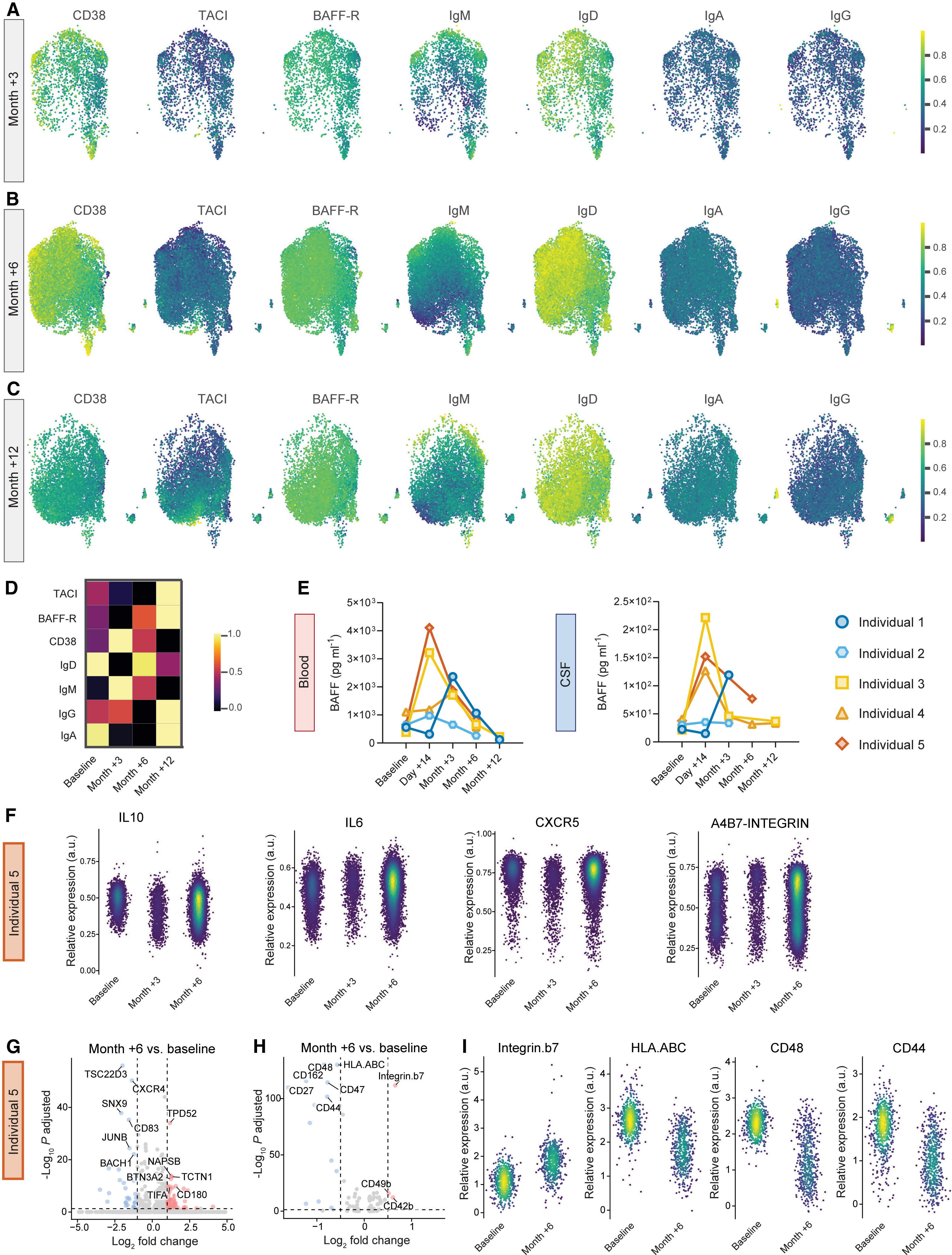
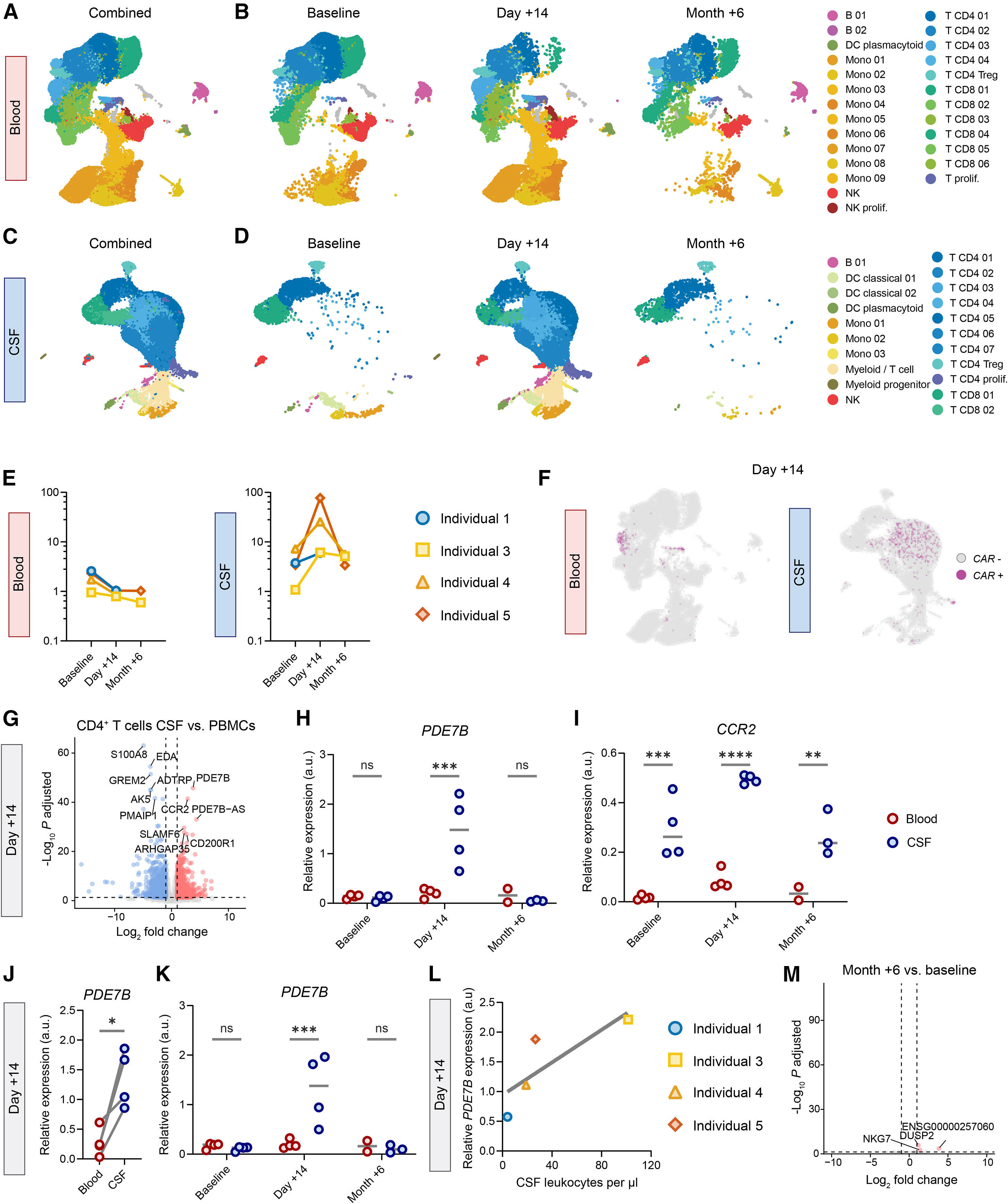

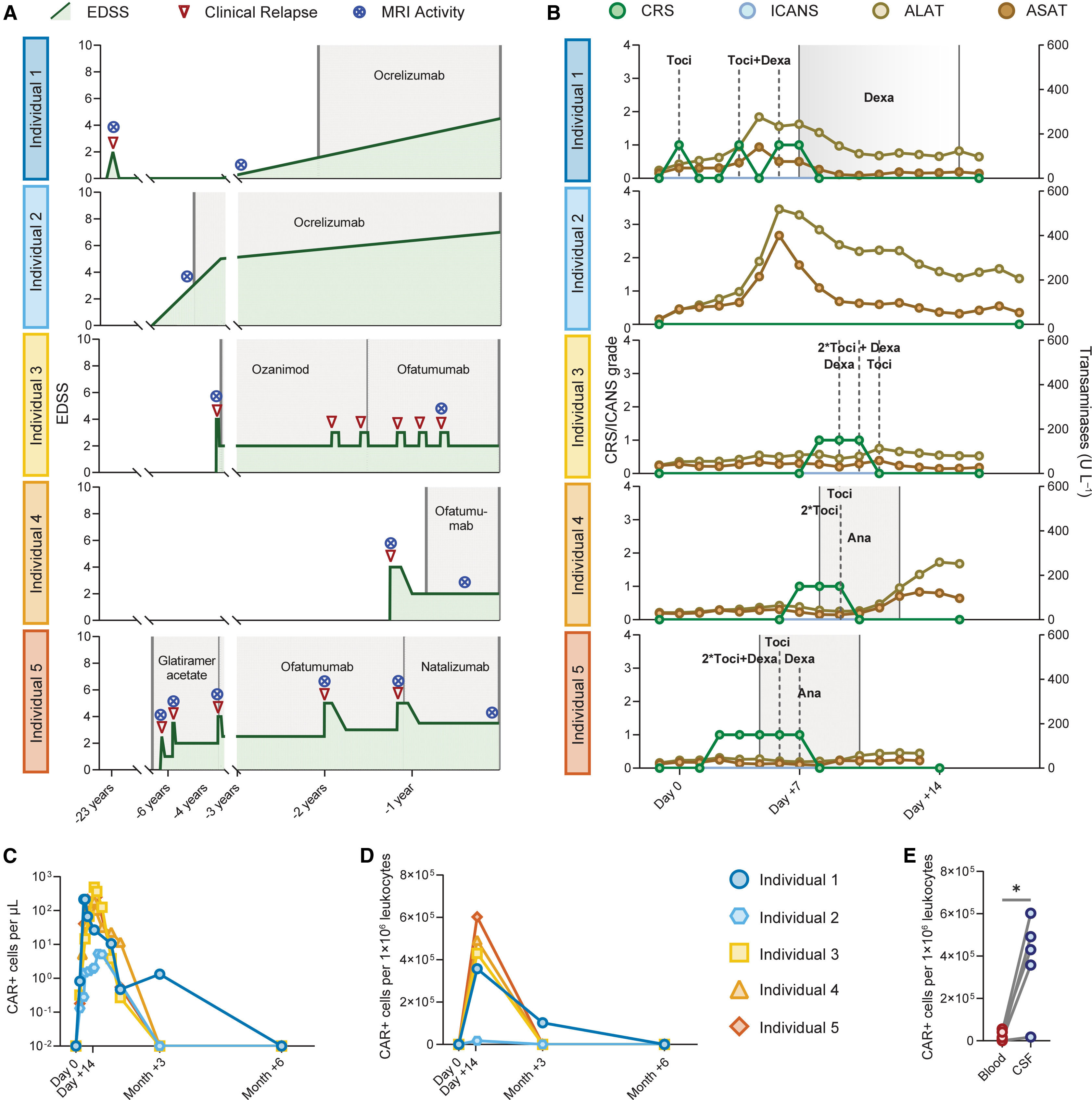
From molecular mechanisms to patients’ everyday lives – a new publication in Cell. Can advances in our understanding of the immunological mechanisms of multiple sclerosis ultimately translate into measurable improvements in patients’ everyday lives? We are very pleased to have contributed to the study by Felix Fischbach and colleagues, published on 19 November in Cell: “CD19 CAR T cell therapy alters disease-associated immune signatures in multiple sclerosis.”
The study provides fascinating insights into the potential of CAR T cell therapy to modulate disease-associated immune processes in MS, including the central nervous system. Beyond the immunological findings, we would like to highlight another aspect of this work: the inclusion of wearable technology – in this case, actibelt – to gain early insights into the potential functional impact of this novel therapeutic approach in patients’ natural living environments. Data indicate initial worsening of gait parameters but then improvements.
While the small number of patients does not permit conclusions about clinical efficacy, the integration of real-world functional assessments at such an early stage of therapeutic development is, in my view, indicative of an important trend. As these innovative therapies progress towards larger clinical trials and regulatory evaluation, the fundamental question of how patients feel and function in their everyday lives will increasingly come into focus. Validated wearable-derived outcome measures, alongside patient-reported outcomes, could play an important role in addressing this question, complementing molecular biomarkers, imaging and conventional clinical assessments. Prof. Christoph Heesen and his team at UKE have been pioneers in this field, integrating wearable-based assessments into clinical MS research for many years.
“From a clinical perspective, one of the key challenges is to understand whether profound immunological changes translate into tangible benefits for people living with MS. Longitudinal assessments of everyday mobility may help us bridge this gap and capture aspects of disease progression and treatment response that conventional clinical examinations alone may not sufficiently reflect.”
It is encouraging to see molecular medicine, clinical neuroscience and digital outcome science increasingly converge - already at the exploratory stage of the development of potentially transformative therapies.
Congratulations to the entire interdisciplinary research team, and sincere thanks to the patients who made this research possible.
Cell publication:
cell.com/cell/fulltext/S0092-8674(26)01337-1
Background – our recent publication on real-world walking speed in progressive MS:
lnkd.in/p/eA562UKt, lnkd.in/ebgFyN_M